

How to Sell Land Online Fast in Texas
How to Sell Land in Texas
Selling land in Texas gives you more options than ever before. You can sell land through a traditional real estate agent, list it yourself on an online platform, or work directly with a cash buyer. Each path has its own tradeoffs, and the right choice depends on your timeline, budget, and how much hands-on work you want to do.
The most straightforward way to sell land is to price it accurately, gather your documents, and get it in front of buyers who are actively looking for that type of land. Whether you own agricultural acreage, rural plots of land, or a vacant lot near a growing city, the fundamentals are the same: good information, clear photos, and the right listing platform make a real difference.
Many online platforms offer tools specifically built for landowners. You can list on dedicated land marketplaces, post to general real estate sites, or even sell land on Facebook Marketplace to reach local buyers. Selling land without a traditional real estate agent is entirely legal in Texas, and many owners do it successfully. Going online without a realtor does require more effort on your part, but it also means keeping more of the proceeds.
If you need to sell land fast, a direct cash buyer is often the most efficient route. Cash sales skip the financing contingencies and lengthy approval processes that slow down traditional deals. That said, knowing all your options first puts you in a much stronger position, regardless of which path you ultimately choose. This guide walks you through each one.
Understanding How to Sell Land Online in Texas

Before diving into the steps, it helps to understand what makes selling land online different from other types of real estate transactions. The difference between selling land and selling a home is significant. A house has comparable sales in most neighborhoods, appraisers who specialize in residential properties, and a large pool of buyers who need a place to live. Vacant land is a different category entirely, and that distinction shapes everything from how you price your property to where you advertise it.
When you are looking to sell your land, the first thing to recognize is that the buyer pool is smaller and more specialized. Prospective land buyers are often investors, developers, farmers, ranchers, or people looking for a recreational retreat. They are not browsing the same way a home buyer scrolls through Zillow. If you want to sell your property to the right person, you need to be where those buyers are looking for land.
Texas is an enormous and diverse state, which means land use varies dramatically by region. Agricultural land in the Panhandle appeals to a completely different buyer than a wooded parcel in East Texas or a lot on the edge of a growing suburb near Dallas or Austin. Understanding your land's best use case helps you craft a listing that speaks directly to the right audience.
Selling land online also comes with its own set of challenges. One of the most common pitfalls when selling land online is underestimating how long the process takes. According to Land Boss, a traditional listing for vacant land in Texas typically takes 6-12 months or longer. That timeline surprises many sellers who assume land selling moves at the same pace as residential real estate.
Another area where land sellers often struggle is pricing. Without a real estate agent providing a comparative market analysis, it can be hard to know what your parcel is worth. Overpricing is the most common mistake, and it extends your time on the market considerably. Underpricing, on the other hand, leaves money on the table.
There are also legal considerations related to land transactions in Texas that differ from standard home sales. Title work, deed requirements, and community property rules all come into play, and getting those details right protects you throughout the process. Texas law allows you to sell your land without an agent license, as long as you have an equitable interest in the property, which makes the for-sale-by-owner route legally accessible to most landowners.
If you want to sell your land online and avoid common pitfalls when selling land, the most important thing you can do is educate yourself before you list. Real estate listings for land require more detail than a typical home listing, and buyers expect to see information about access, utilities, zoning, and survey status. Learn how to sell effectively by doing your homework upfront, and the process becomes much smoother.
The good news is that selling property in Texas comes with some genuine financial advantages. Texas imposes no state capital gains tax, and there is no state-level real estate transfer tax either, which allows you to sell for land for cash without the added burden that sellers in other states face. Those savings can be substantial depending on your sale price.
Step-by-Step: How to Sell Land Online in Texas

Knowing where to start makes the whole process less overwhelming. Here is a practical walkthrough of what it actually takes to sell land online in Texas, from preparation through closing.
Step 1: Gather Your Documents
Before you list anything, pull together the paperwork. You will need your deed, a recent property survey if available, tax records, and any information about utilities, easements, or access roads. The Texas Real Estate Commission (TREC) publishes standardized contract forms for land sales, including the Unimproved Property Contract for vacant land and the Farm and Ranch Contract for agricultural properties. Having these documents ready signals to buyers that you are a serious seller.
If you need to sell your land quickly, being organized upfront saves significant time during the closing process. Delays almost always trace back to missing paperwork.
Step 2: Price Your Land Accurately
Pricing is where many for-sale-by-owner efforts stall. To price your parcel competitively, research recent sales of comparable properties in your county. County appraisal district websites are a free starting point. You can also look at active listings on land marketplaces to gauge what similar acreage is selling for in your area.
Keep in mind that land fast-sells when priced right, but it can sit for months when priced too high. If you are unsure, a land appraiser or a broker who specializes in Texas land can give you a professional opinion of value.
Step 3: Prepare Your Land for Listing
Take time to prepare your land before you photograph it. Clear obvious debris, note the boundaries, and document any features that add value, such as water sources, timber, road frontage, or proximity to utilities. Think about how the land can be used and highlight those possibilities clearly in your listing.
Good photos matter enormously when selling online. Aerial drone footage has become a common expectation for land listings. If you cannot hire a drone operator, ground-level photos from multiple angles, along with a clear map showing parcel boundaries, will go a long way.
Step 4: Choose the Right Platforms
There are several websites to sell land that cater specifically to buyers looking for rural and vacant property. Lands of America, Land Watch, and Land And Farm are among the best websites to sell land in Texas. For broader exposure, you can also list on Zillow, Craigslist, or Facebook Marketplace. Each platform reaches a different audience, and using two or three at once helps you market your land to more potential buyers.
When you decide to sell land online without a professional agent, these platforms become your primary tools. A well-written listing on the right site can generate serious inquiries within days.
Step 5: Write a Strong Listing Description
Your description should answer the questions a buyer would ask before driving out to see the property. Include acreage, county, access details, zoning information, nearby towns, and any utilities available. Be honest about limitations as well. Buyers appreciate transparency, and withholding material information can create legal problems later.
Step 6: Negotiate and Close
Once you have an offer, review it carefully. If you need to sell your land fast and the offer is fair, a clean cash deal is often worth more than a higher offer with financing contingencies. Work with a reputable Texas title company to handle closing. They will manage the escrow, confirm clear title, and record the deed with the county clerk. Cash buyers can often close in as little as 2 weeks, which makes them an attractive option when speed matters and you have land to sell.
Land By Owner: Key Considerations in Texas
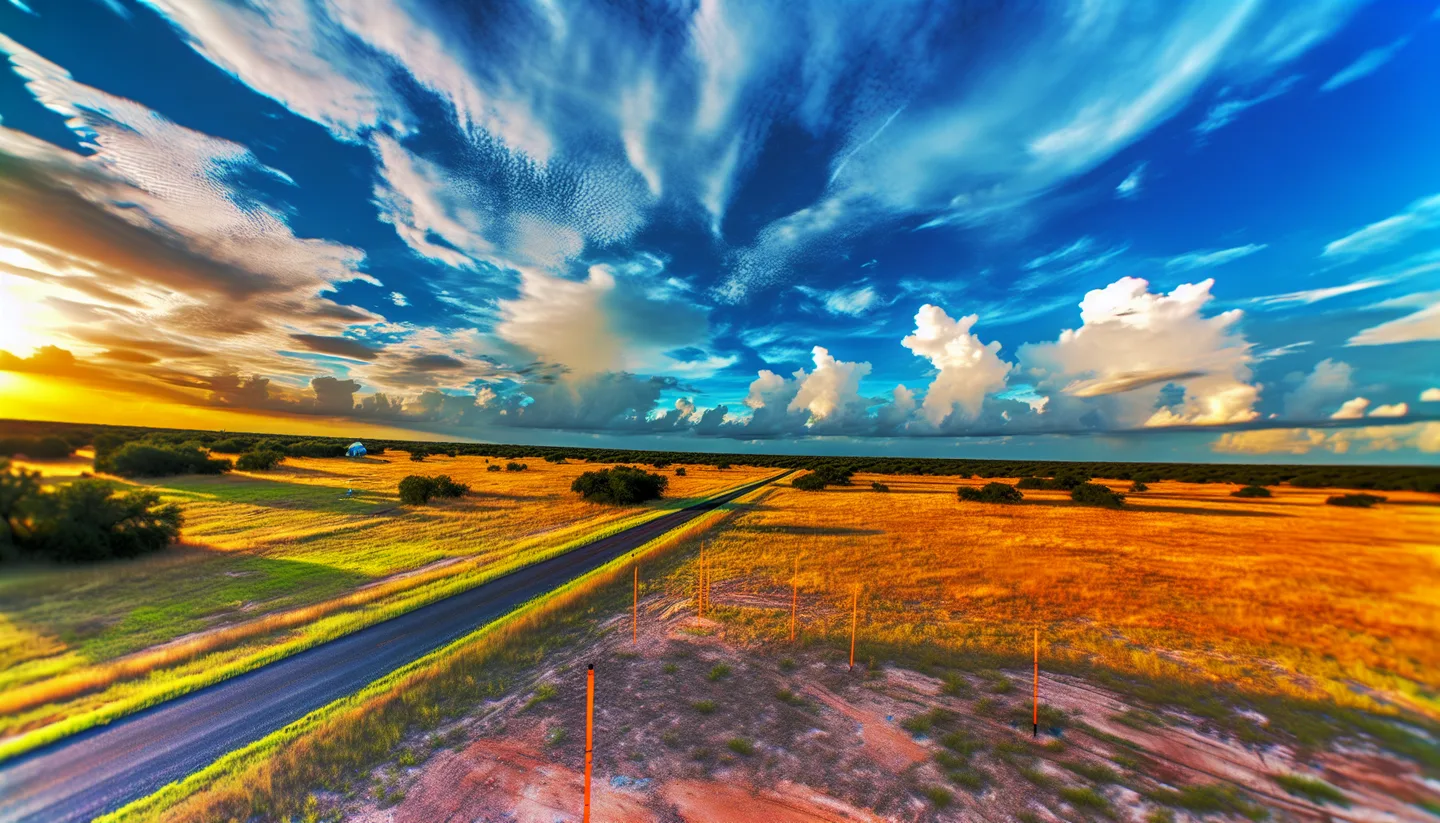
Once you decide to sell your land online without an agent, you take on responsibilities that would otherwise fall to a professional. Understanding the legal and financial landscape in Texas helps you navigate those responsibilities with confidence.
Texas-Specific Financial Advantages
Texas is one of only eight states with no state income or capital gains tax, according to Avidian Wealth Solutions. That means when you successfully sell land you have held for more than a year, you only owe federal long-term capital gains tax, which is 0%, 15%, or 20% depending on your income and filing status. Short-term gains on land held one year or less are taxed at ordinary federal income tax rates, ranging from 10% to 37%. There is no additional state tax layered on top.
Texas also has no state-level real estate transfer tax. According to the Kelly Legal Group, this can save sellers thousands of dollars compared to states like New York or Florida, where transfer taxes can add 1-3% of the property value to closing costs. That is a meaningful financial advantage for anyone looking to sell your land online here versus in other states.
Title Insurance and Closing Costs
Title insurance is a standard part of any Texas land sale. Unlike most states, title insurance rates in Texas are regulated by the Texas Department of Insurance, meaning all title companies charge the same standardized premium. According to the TDI, the basic premium for a $50,000 property is $496, and for a $100,000 property it is $832. That predictability makes it easier to estimate your net proceeds before you put your land on the market.
Recording the deed with the county clerk is another closing step worth understanding. Under Texas law, the standard recording fee is $25 for the first page and $4 for each additional page. Once recorded, sellers typically receive the finalized deed by mail within 2-4 weeks. Texas also requires that the grantee's mailing address appear on any deed signed after December 31, 1981. Missing this detail results in a penalty filing fee, so double-check your deed before it goes to the county clerk.
Community Property Rules
Texas is a community property state. If you acquired the land during a marriage, your spouse likely has a legal interest in the property even if their name does not appear on the deed. Title companies in Texas are required to confirm proper spousal signatures before a land sale can close. This is one of those legal considerations that can quietly delay or derail a transaction if it is not addressed early in the selling process.
Pricing and the Real Estate Market
Understanding the local real estate market in your area is critical to a successful land sale. Websites to sell your land, such as Lands of America and Land Watch, also publish market data and recently sold listings that can help you understand pricing trends by region. Online land sales have grown significantly, and buyers are increasingly comfortable purchasing land they have never physically visited, as long as the listing is detailed and credible.
The guide to selling land on your own is genuinely manageable, but it requires attention to detail. A small error during the selling process, whether in pricing, documentation, or marketing, can add months to your timeline. Going in informed is the single best way to help you sell without unnecessary setbacks. For landowners in areas like Hill County or rural North Texas, understanding local buyer demand is especially important, since those markets attract a very specific type of buyer.
The best features of your land deserve prominent placement in every listing and every conversation with buyers. Think about what makes your parcel unique and lead with those details. Vacant land competes for attention in a busy marketplace, and a listing that communicates clear value stands out.
Common Questions About Websites to Sell Land
What is the best site to sell land?
The best platform depends on your property type and location. For rural and agricultural land in Texas, Land And Farm, Lands of America, and Land Watch are consistently strong performers. They attract buyers who are specifically interested in buying land, which means your listing reaches a more qualified audience than a general real estate site would. Many online platforms also allow you to list your land for free at a basic tier, with paid upgrades available for more visibility. For additional exposure, pairing a dedicated land site with a Facebook Marketplace listing can help you get your land in front of local buyers who may not be searching the major portals.
Can You Sell Land Online Without An Agent?
Yes. According to Checklands, Texas law allows landowners to legally market and sell their own property without a real estate license, provided they have an equitable interest in the land. A license is only required when acting on behalf of another party for compensation. Selling your land by owner gives you full control over pricing, marketing, and negotiations. The tradeoff is that you take on tasks an agent would normally handle, including creating your land listing, managing inquiries, and coordinating closing. Many platforms for selling land are designed to support land by owner transactions, making the process more accessible than it used to be.
Are you thinking about selling your land online?
If you are, you are not alone. More Texas landowners are turning to online channels because they work. The key is knowing what buyers need to know about selling before they commit. Showcase the land honestly and completely. Include acreage, access information, zoning, any available utilities, GPS coordinates, and a plat map if you have one. Buyers who are interested in buying land do their research online before they ever call or submit an offer. The more information you provide upfront, the more seriously buyers will engage with your listing. A strong listing also reduces back-and-forth questions, which speeds up the entire process.
Curious about whether you can sell land without utilities or road access?
You can sell a piece of land without utilities or direct road access, but you need to disclose those limitations clearly. Landlocked parcels and off-grid properties do sell in Texas, often to buyers specifically looking for those characteristics. However, price your land accordingly, since limited access and no utilities do affect value. Work with a land buyer or real estate attorney who can help you understand any easement options or access rights that might improve the parcel's marketability. Transparency here protects you legally and builds trust with serious buyers.
How difficult is it to sell land?
It depends on the land and the method you choose. The legal considerations when selling land in Texas are manageable once you understand them, but the process is rarely as fast as selling a home. Vacant land has a smaller buyer pool, and traditional listings often take 6-12 months to close. What you know about selling your specific parcel matters a great deal. Understanding its best use, pricing it accurately, and listing it on the right sites all reduce the difficulty significantly. If timing is a priority, connecting with a direct cash buyer is often the fastest path, sometimes closing in as little as 2 weeks.
Ready to Sell Your Land? Next Steps
Selling land online in Texas is genuinely achievable, and the state's tax-friendly environment makes it one of the better places in the country to do it. No state capital gains tax and no transfer tax mean more of the sale price stays with you.
Your next step depends on your priorities. If you have time and want maximum exposure, listing on a dedicated land and farm marketplace alongside a general platform gives you the broadest reach. You can even sell land online for free on some platforms while you test the market. If speed matters more than maximizing price, connecting with a reputable land buyer who can close quickly is often the smarter move.
If you own property in areas like Wise County, reaching out to buyers who specialize in that region can make the process significantly smoother. Local buyers understand the market, move faster, and typically require less back-and-forth on due diligence.
Whatever route you choose, go in prepared. Gather your documents, price your land based on real data, and communicate honestly with buyers. Those three habits alone will put you ahead of most for-sale-by-owner sellers. If you have questions about your specific situation, we are happy to help you think through your options, no pressure, just straightforward guidance.
Need to sell your Texas land? We buy land directly from owners for cash, with no fees, no commissions, and we close in as little as 2 weeks.
Loading form...
Sell Your Texas Land for Cash
Ready to sell? We buy land directly from owners across Texas. Get a fast, no-obligation cash offer.