
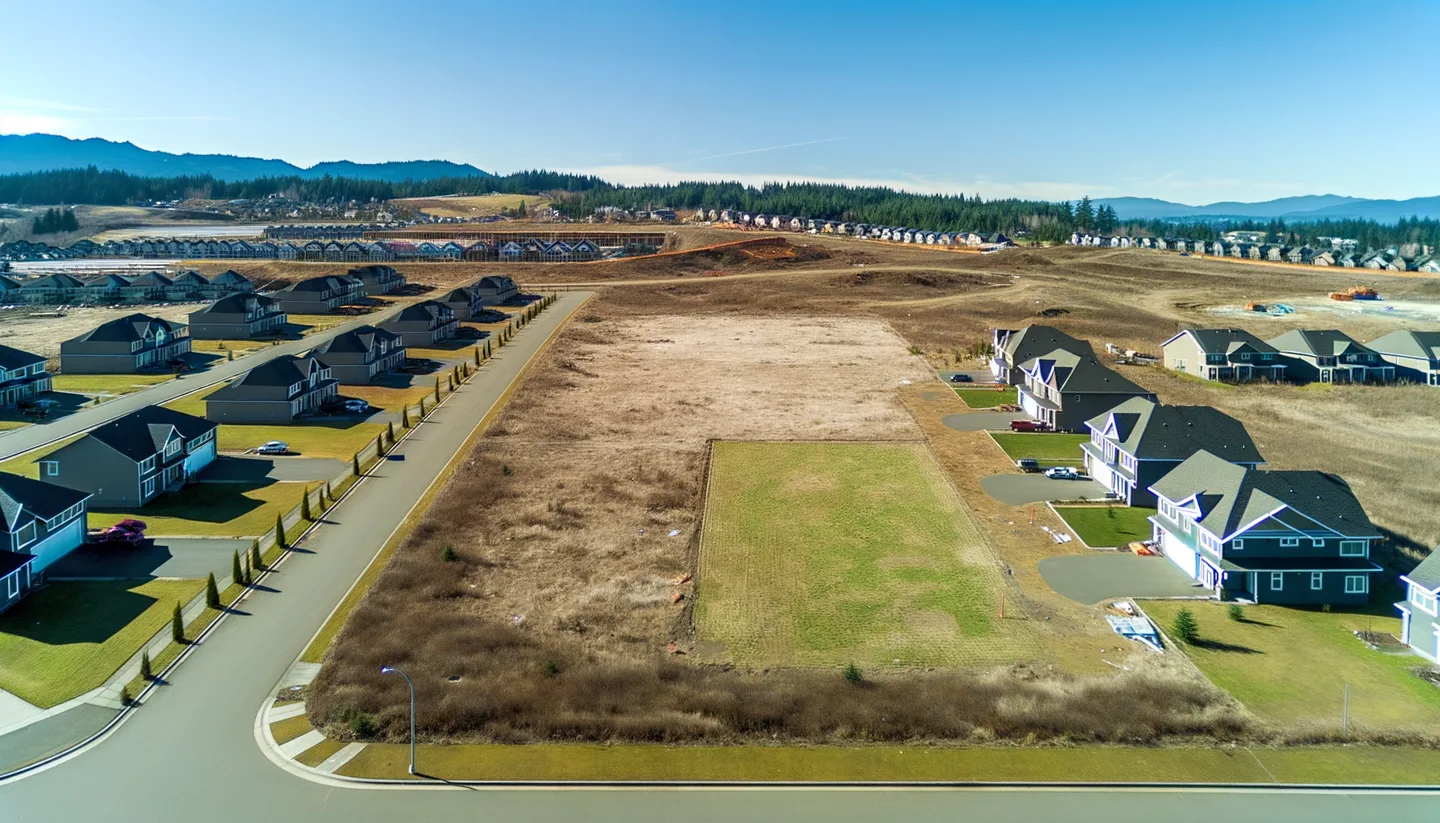
How to Sell Land To A Developer in TX for Cash
Understanding Selling Land To A Developer in Texas
If you want to sell your land to developers in Texas, the process is more involved than a standard home sale, but it can also be significantly more lucrative. Developers are typically looking for properties with strong potential land value, favorable zoning, and room for growth. Before entering any negotiation, it helps to understand what drives developer interest and what makes a land sale succeed or fall apart.
The good news is that Texas has a robust development market, and landowners across the state have real options. Whether your property sits near a growing city or in a rural county, a developer may see value that a traditional buyer would overlook. Knowing how to position your parcel, address zoning issues early, and approach the sale process with realistic expectations will put you in a much stronger position from the start.
Understanding Land Sale in Texas
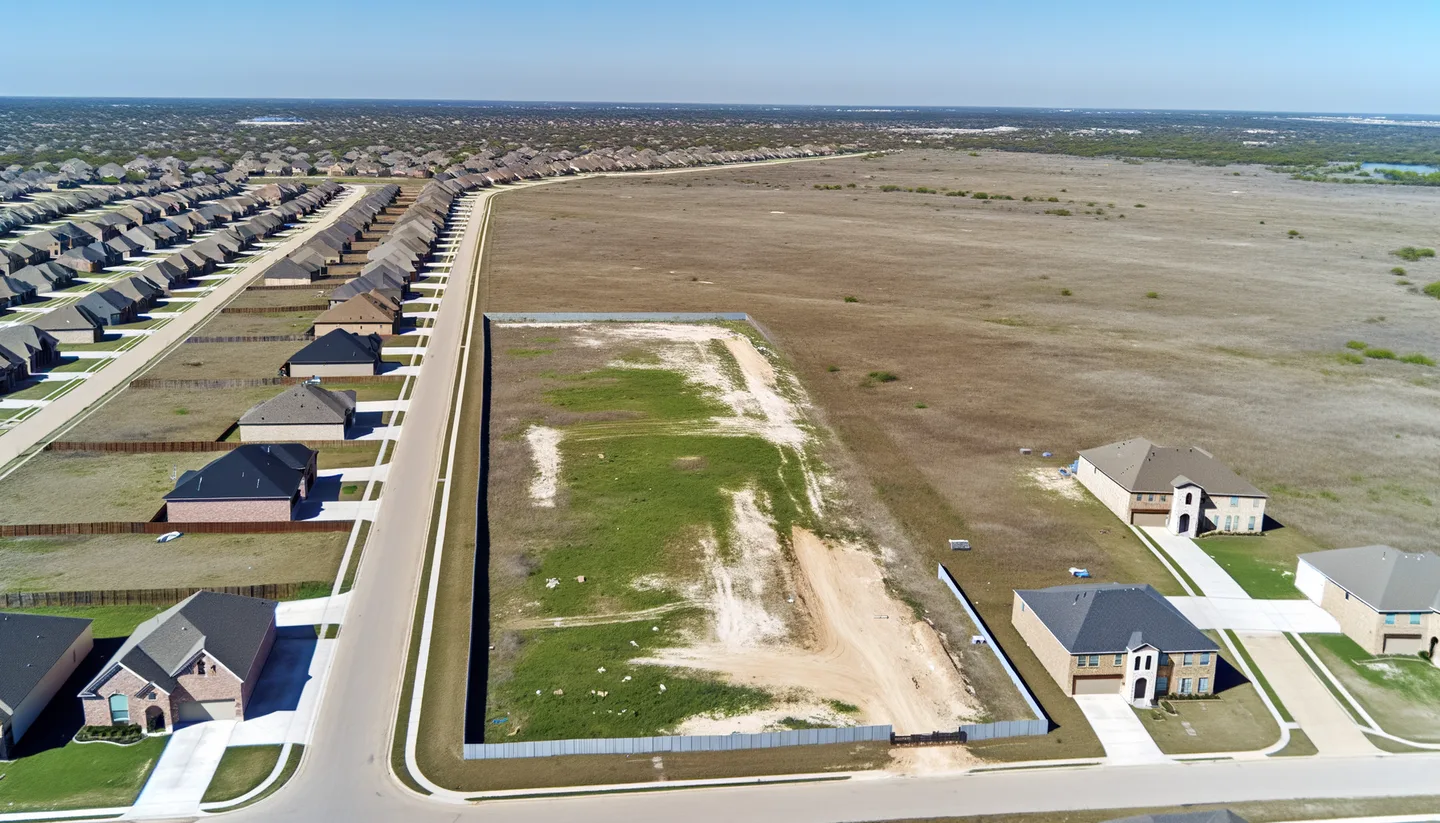
For landowners looking to sell in Texas, the landscape is both full of opportunity and genuinely complex. The state's rapid population growth has created strong demand for development land across urban, suburban, and even rural markets. That demand means property owners who understand how this market works can often command competitive prices, especially when their parcel has clear development potential.
One thing that sets sales to developers apart from conventional transactions is the buyer's mindset. A real estate developer is not buying your property to live on it. They are analyzing land for development based on projected return on investment, infrastructure access, and local market conditions. Since developers are highly analytical buyers, they will run their own market analysis before making an offer, which is why knowing your market value before listing your property matters so much.
Texas does not have a single statewide zoning code, according to MBB Legal. Every city and county sets its own zoning regulations, and land outside city limits in unincorporated areas generally faces looser restrictions. This means the value of your land can shift dramatically depending on its location relative to city boundaries and what local authorities allow. A parcel zoned for mixed-use development near a growing corridor, for example, is going to attract far more developer interest than vacant land with unclear zoning status.
Beyond zoning, market trends play a real role in timing. Land value in Texas has climbed steadily in high-growth corridors, but it fluctuates based on interest rates, construction costs, and regional demand. When you market your land to potential developers, understanding what's happening with comparable property value in your area gives you a foundation for credible negotiation. Working with a local real estate professional or exploring joint ventures can also open doors that a simple listing your property approach might not reach. Land developers have their own acquisition networks, and connecting with the right buyers takes more than posting a sign.
Step-by-Step: How to Sell Land To A Developer in Texas

Knowing where to start makes the entire sale process less overwhelming. Here is a practical roadmap for Texas landowners who want to sell land to a developer.
1. Know the value of your land before you engage anyone. Pull comparable sales, review recent development projects nearby, and understand how local growth patterns affect your parcel. Texas is a non-disclosure state, meaning sale prices are not always publicly recorded, so a formal market analysis or appraisal from a qualified Texas real estate professional is worth the investment.
2. Understand your zoning laws and entitlement status. Developers want to know what they can build and how quickly they can break ground. Raw land with no entitlements is worth less to most buyers than a parcel that is already zoned for their intended use. Check with your local planning office and get familiar with any restrictions before you start marketing.
3. Research the right buyers. Not every developer acquires every type of property. Many developers specialize in residential subdivisions, while others focus on commercial or industrial uses. Identifying buyers whose development projects align with your parcel's characteristics will save you time and increase the odds of a serious offer.
4. Prepare your due diligence materials. Developers use a checklist of information when evaluating any acquisition, including surveys, title history, access details, and utility availability. Having these ready speeds up the process and signals that you are a serious seller.
5. Understand the pitfalls of selling land to developers before you sign anything. Developers are skilled negotiators with experienced teams behind them. Consider hiring a Texas real estate attorney to review any purchase agreement, especially if it includes contingencies tied to rezoning approvals or financing.
6. Factor in taxes. Texas has no state income tax, so there is no separate state capital gains tax on your sale. You will still owe federal taxes on any profit, and if your land carries an agricultural exemption, a change in use could trigger a rollback tax for the previous three years. Plan accordingly before you close.
Texas-Specific Considerations for Selling Land To A Developer
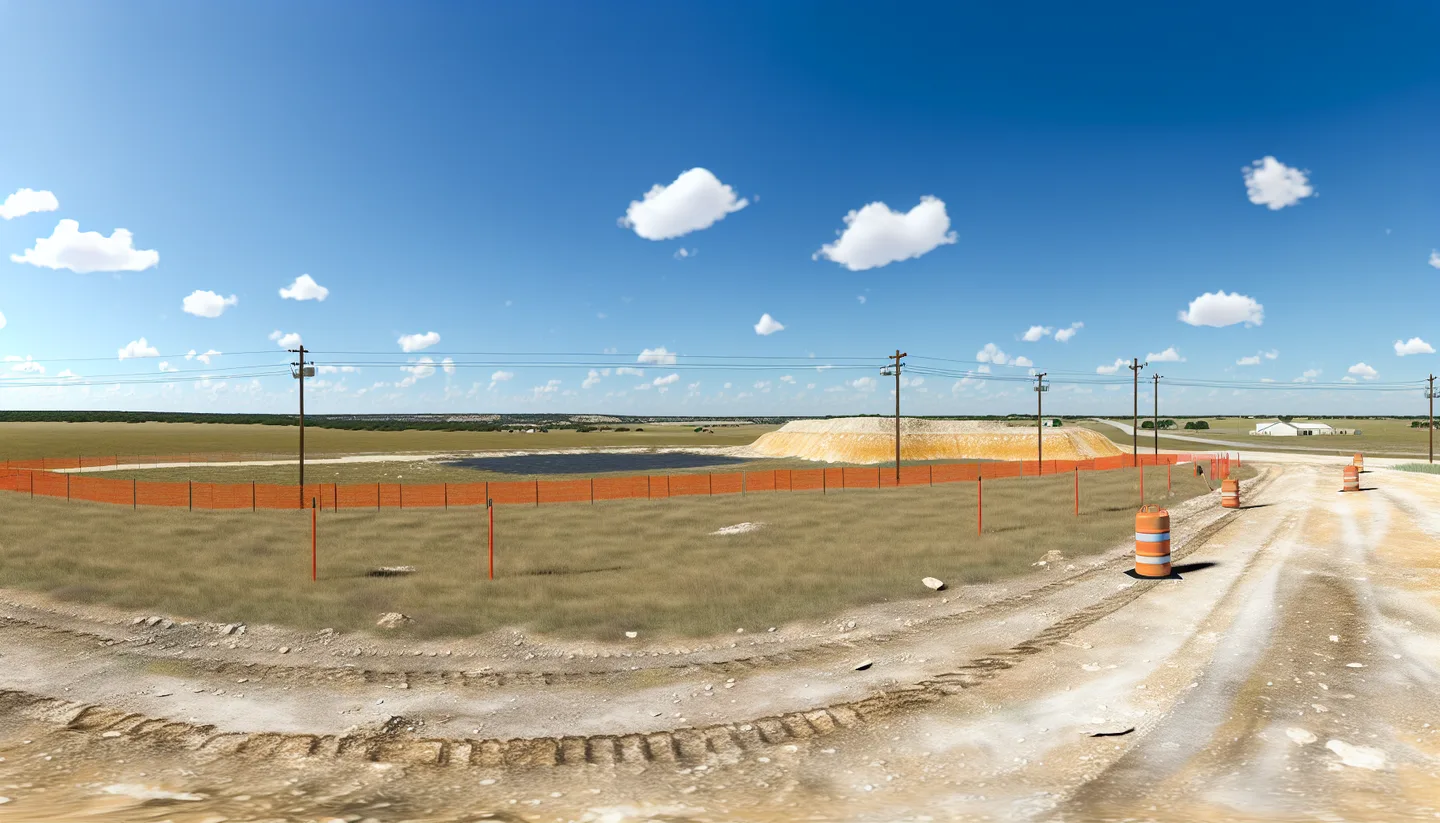
The process of selling land in Texas involves several layers that do not apply in every other state. Being aware of them before you start can prevent expensive surprises.
Agricultural exemptions and rollback taxes. Under Texas Tax Code Chapter 23, the ag exemption is not a true exemption but a special valuation that can save rural landowners 50-80% on annual property taxes, and suburban landowners can see savings exceed 90% in high-demand areas. However, if a real estate developer converts that land to a non-agricultural use, a rollback tax kicks in covering the previous three years at the difference between the ag-value tax and the full market-rate tax, plus 7% annual interest annually. This is a significant cost that affects your net proceeds and should be discussed with a tax professional early in the land selling process.
Mineral rights. Texas law separates the surface estate from the mineral estate. Land buyers, including developers looking to build, acquire the surface rights in most transactions. However, whoever owns the mineral rights, whether you or a prior owner, retains the right to access the surface for exploration without needing the surface owner's permission. Always verify whether mineral rights are severed before agreeing on a purchase price, as this can affect how developers often approach valuation and negotiation.
Zoning and land use rules vary widely. A parcel that is zoned for one use in one county may face very different restrictions in a neighboring jurisdiction. Developers looking at properties in your area will verify current zone classifications, and some will require the land to be re-zoned before closing. According to the Texas Comptroller, the entitlement and rezoning process can take 6-18 months and is never guaranteed. Listing your property online or marketing it broadly without addressing zone status first can attract interest that never converts to a real offer.
No transfer tax. Unlike many states, Texas does not impose a real estate transfer tax. Sellers pay only county deed recording fees, which typically range from $29 to $50 per document. That is a meaningful cost advantage compared to states with documentary stamp taxes, and it keeps more of the sale proceeds in your hands. Understanding market conditions, environmental assessments, and potential buyers ahead of time will help you move forward with confidence.
Landowners in fast-growing areas like Denton County often deal with multiple competing development interests, which can work in a seller's favor if handled correctly.
Common Questions About Selling Land To A Developer in Texas
How much will a developer pay for land?
There is no single answer, because the real estate market, local zoning, and the parcel's potential for development all influence what a buyer will offer. Developers typically back into a price based on what they can build and what that project will sell or lease for, minus their costs and profit margin. Texas landowners in high-growth corridors with undeveloped land near infrastructure often command stronger offers than those in rural areas without utilities or road access. Getting an independent appraisal gives you a baseline before any conversation about price. Developers keen on a particular site will sometimes pay above market, especially if the land fits a specific development project they have already planned. Understanding local zoning, comparable land transactions, and recent commercial real estate activity in your area puts you in a better negotiating position.
How to avoid paying capital gains when selling land?
One of the most common strategies Texas land sellers use is a Section 1031 like-kind exchange. Under IRS rules, you must identify replacement property within 45 days of closing and complete the purchase within 180 days. Raw land held for investment qualifies for this exchange, which allows you to defer federal capital gains taxes by rolling proceeds into another property. Texas land also benefits from the fact that there is no state-level capital gains tax, since Texas has no personal state income tax. A qualified intermediary and a real estate attorney should be involved in the selling process if you are planning a 1031 exchange, as missing the deadlines disqualifies you from the tax deferral entirely.
Can You Sell Land to a Developer Without a Solicitor?
In Texas, there is no legal requirement to hire an attorney to close a land sale. However, skipping a real estate attorney carries real risk, especially when selling to developers who arrive with their own contracts written in their favor. Due diligence periods, contingencies tied to local zoning approvals, and mineral rights reservations are all details that can cost you significantly if not reviewed carefully. An attorney experienced in land development will help ensure due diligence terms are reasonable and that your interests are protected throughout. For complex transactions, including those involving commercial property or large acreage, professional legal review is one of the smartest ways to spend money in the entire land development process. Completing your own due diligence on the buyer is also worth the effort before you sign anything.
Your Options for Selling Land To A Developer in TX
Selling land to developers in Texas can be a straightforward and profitable experience when you go in prepared. Understanding your land's zoning status, tax implications, and market position gives you real leverage at the negotiating table. Whether you are selling to a developer in a fast-moving suburb or a more rural area, the fundamentals remain the same: know your value, know your buyer, and get the right support.
If you are considering selling to a developer and want to understand your options, a real estate professional familiar with Texas land transactions can help you evaluate your next steps. Landowners in areas like Marfa and beyond have successfully navigated this process with the right guidance. Reach out when you are ready, and we are happy to help you think through what makes sense for your property.
Need to sell your Texas land? We buy land directly from owners for cash, with no fees, no commissions, and we close in as little as 2 weeks.
Loading form...
Sell Your Texas Land for Cash
Ready to sell? We buy land directly from owners across Texas. Get a fast, no-obligation cash offer.